Best Water Treatment Plant Manufacturer in West Bengal: A Complete Industrial Buyer’s Guide
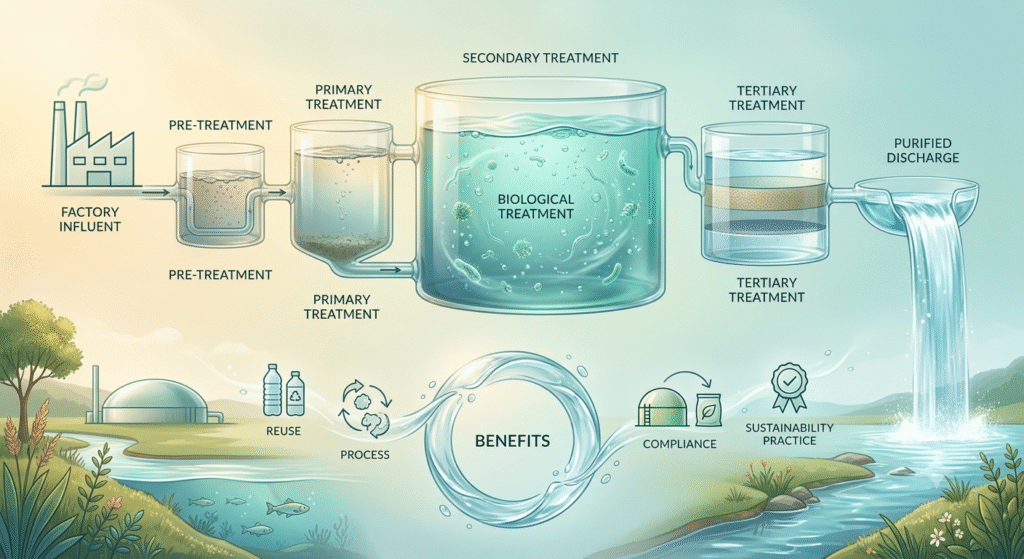
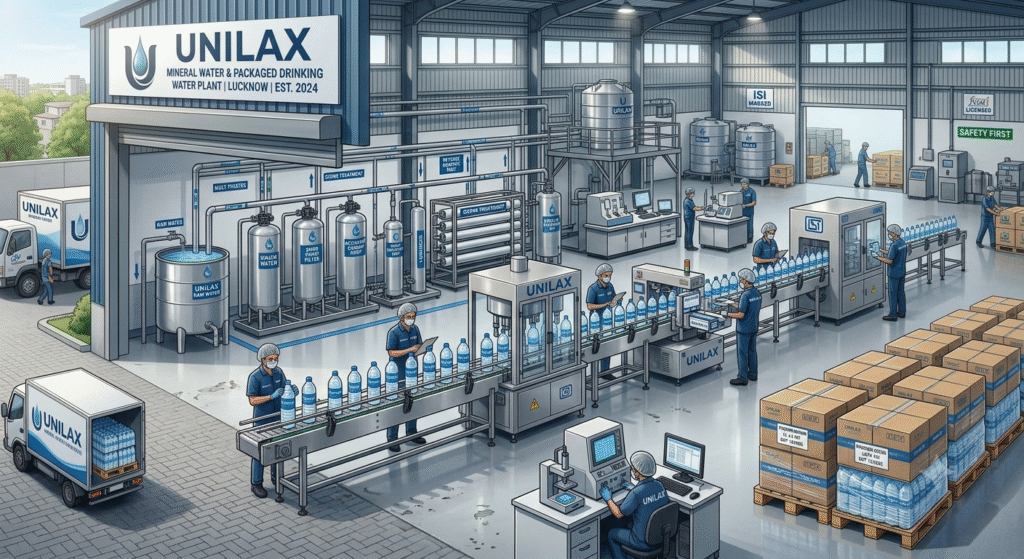
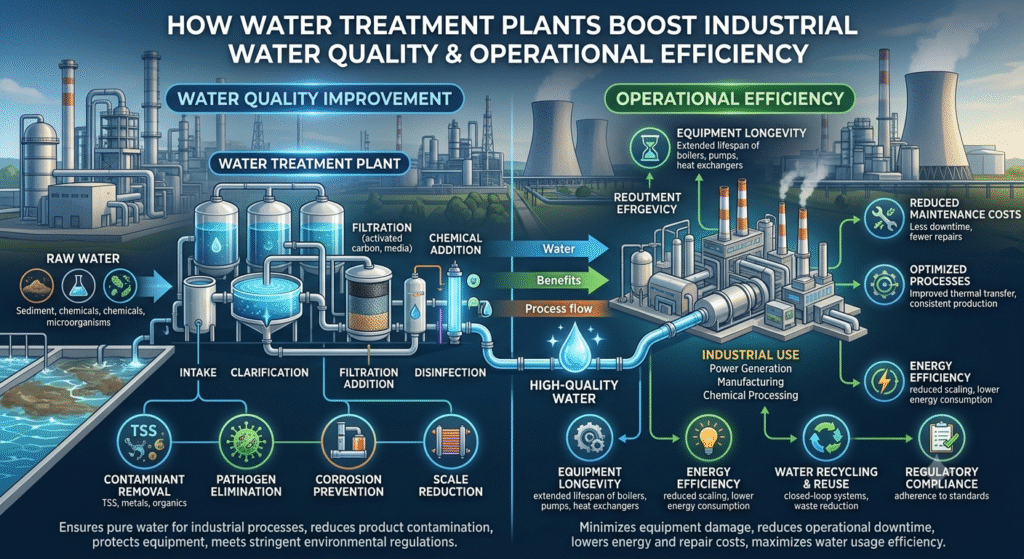
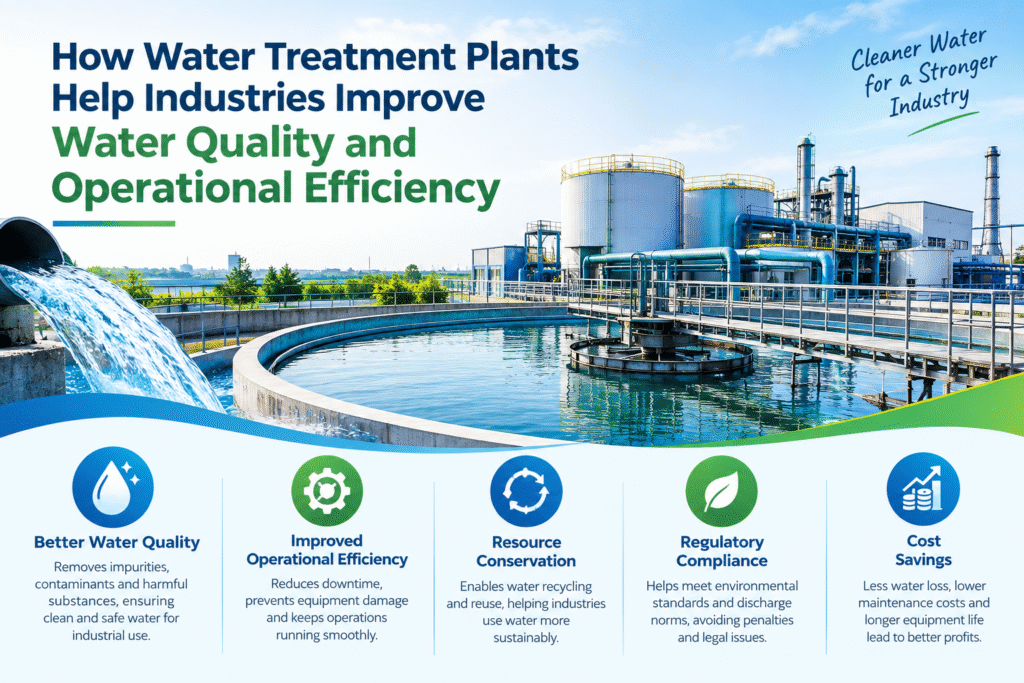
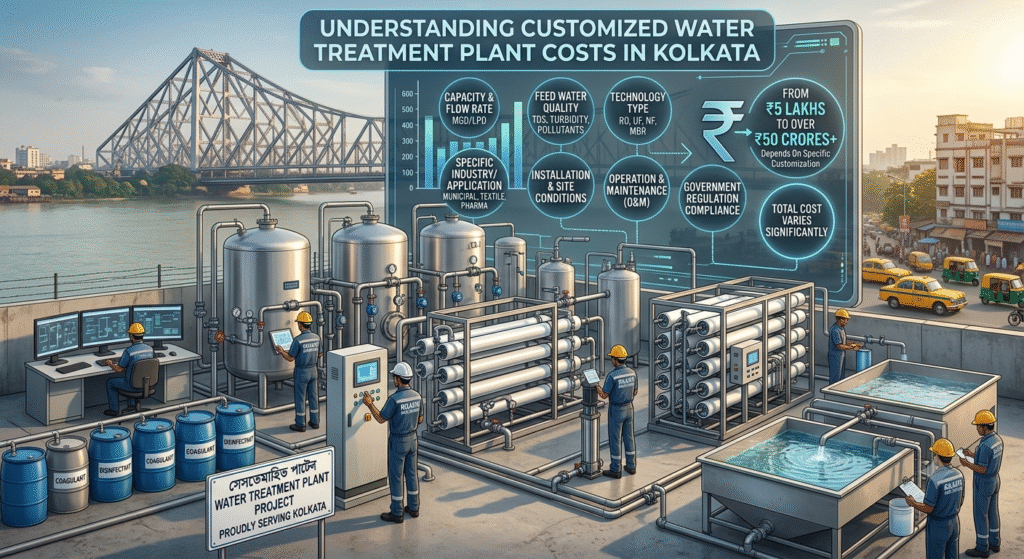
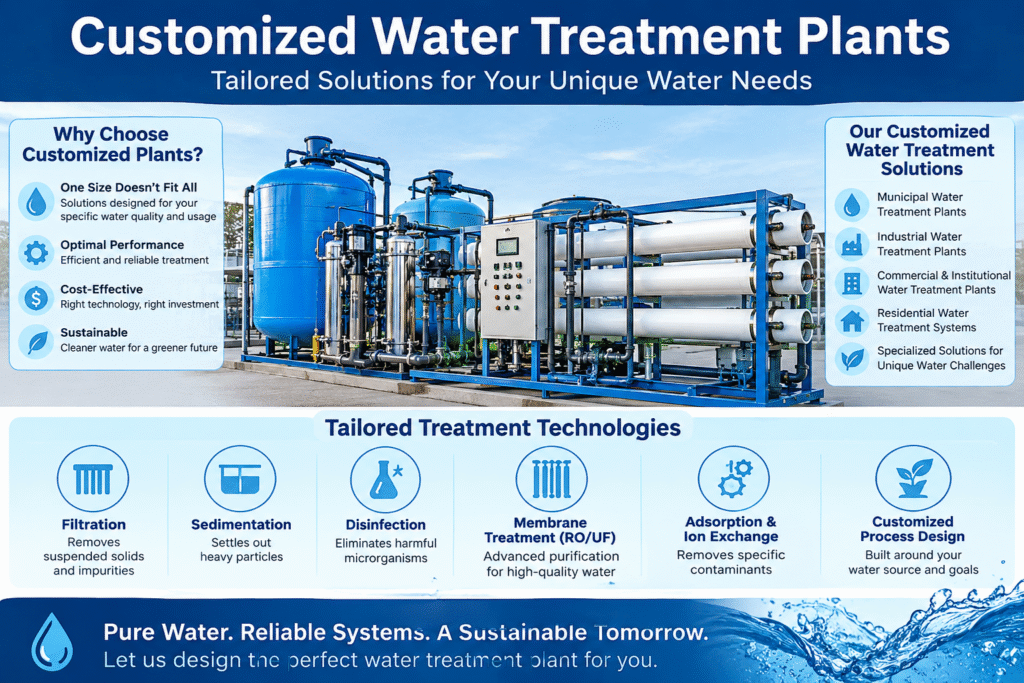
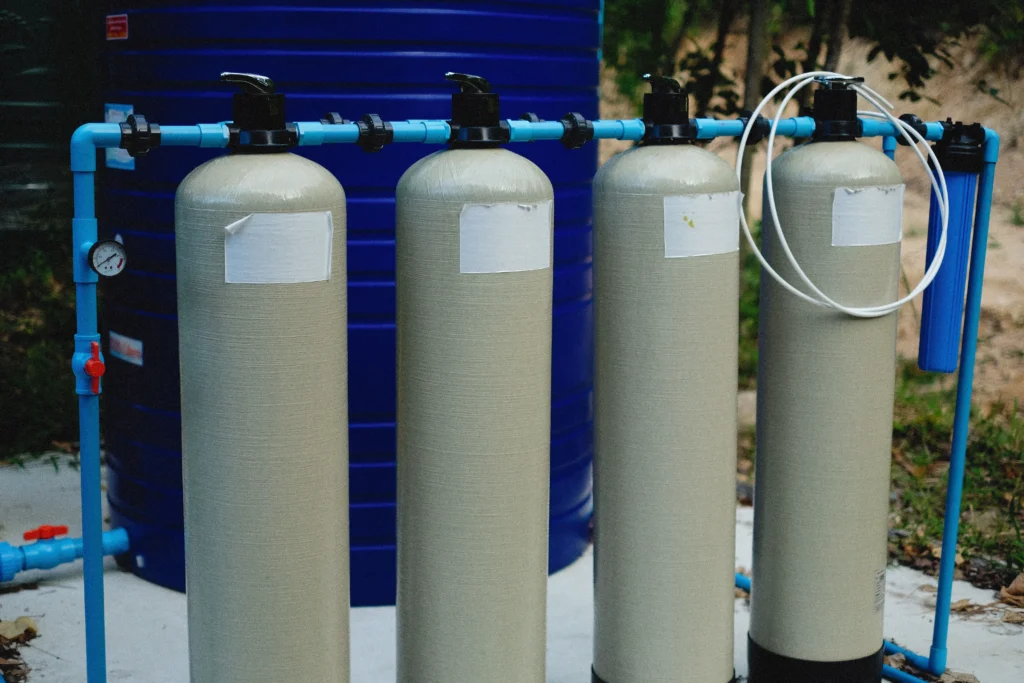
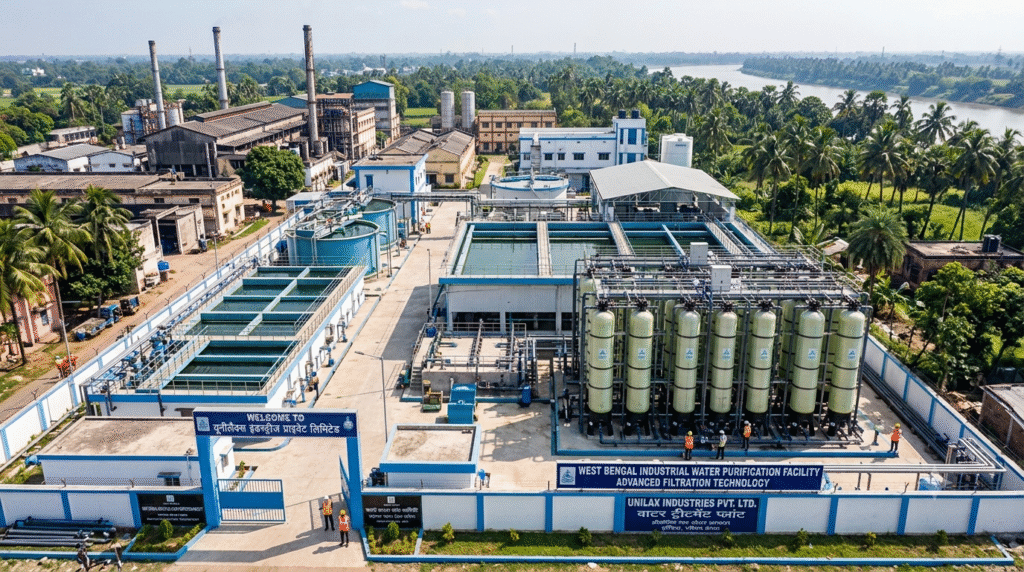
The search for the best water treatment plant manufacturer in West Bengal almost always begins with one question: who can provide a plant that works reliably for years? “Best” is not a ranking, it’s relative to your water, your use case and your site. This guide to compare Water Treatment Plant Manufacturers in West Bengal helps you to compare on facts not on claims. Why Choosing the Right Manufacturer Matters A water treatment plant is a long-term investment. A badly designed system can lead to unstable water quality, frequent breakdowns, high chemical and power consumption and compliance trouble. For factories, hospitals, hotels and housing societies, downtime also interrupts the rhythm of daily activities. The right partner designs for your actual water source, builds with the right materials and supports the plant after handover. Start With Water Quality and Testing Never size a plant on assumptions. Groundwater in parts of West Bengal commonly raises concerns such as iron and hardness, while surface and municipal supplies vary by season and location. Get a recent, representative lab analysis covering parameters such as: TDS, hardness, pH and turbidity Iron, manganese, chlorides and other relevant contaminants Microbiological quality, where drinking water is involved For wastewater: BOD, COD, TSS, oil and grease, and other process-specific parameters Test again if your source changes. A credible manufacturer will ask for this data before quoting. Plan Capacity Carefully Capacity should reflect peak demand, storage, operating hours and future expansion, not just average daily use. Undersizing causes shortages, while oversizing raises capital and running costs. Share your consumption pattern, number of users or process requirements, and available space so the design can be sized sensibly. Understanding Technology Options Different problems need different treatment. In general terms: Filtration (sand, carbon, iron removal): removes suspended solids, colour, odour and, in suitable systems, iron. Softening: reduces hardness to protect boilers, pipes and equipment. Ultrafiltration (UF): removes fine particles and many microorganisms, often as pre-treatment. Reverse osmosis (RO): reduces dissolved salts and is widely used for drinking and process water. DM (demineralisation): produces low-conductivity water for boilers and certain industrial processes. ETP/STP: treat industrial effluent and sewage so water can be reused or discharged as regulations require. Most real-world plants combine several of these. Ask the manufacturer to explain why each stage is in the design. Custom Design vs Standard Plants Standard, packaged plants can suit straightforward needs such as a small society or office. Industries, hospitals and institutions with variable water quality or specific process needs usually benefit from a custom design. Whichever you choose, the manufacturer should justify the choice against your test data. Materials and Build Quality Ask about the materials for tanks, vessels, piping, pumps, membranes, valves and control panels, and about the brands of key components. Weld quality, corrosion resistance, instrumentation and ease of maintenance affect lifespan and running cost. A site or workshop visit tells you more than a brochure. Installation and Commissioning Clarify who handles civil work, electrical connections, installation, testing and commissioning. Ask what documents you will receive, such as drawings, operating manuals and test records, and whether operator training is included. After-Sales Support, Spare Parts and AMC Treatment plants need consumables and periodic servicing. Before ordering, confirm: Availability of spares, membranes and media Service response approach and coverage area AMC scope: visits, consumables, breakdown calls and exclusions Compliance and Standards Requirements depend on your sector and use. Drinking water, packaged water, hospital water and effluent discharge each fall under different rules. Confirm the applicable norms and permissions with the relevant authorities, such as the West Bengal Pollution Control Board where applicable, and ask the manufacturer how its design supports them. What to Check Before You Decide What to Check Why It Matters Questions to Ask Water analysis and design basis Wrong inputs lead to the wrong plant Which parameters did you use to design this? Will you review our lab report? Technology selection Each stage should solve a specific problem Why this process train? What alternatives did you consider? Capacity and expansion Prevents shortages and wasted spend How was capacity calculated? Can it be expanded later? Materials and components Affect durability and maintenance What are the materials and component brands? Can we see a similar installed plant? Installation and commissioning Determines how smoothly the plant starts Who does civil and electrical work? What testing is done at handover? After-sales, spares and AMC Keeps output stable over the years What does AMC cover? How are spares and breakdown calls handled? Compliance support Avoids regulatory problems Which standards apply to our use, and what documents can you provide? Quotation transparency Enables fair comparison Is every item, exclusion and term itemised in writing? How to Compare Quotations Compare scope, not just totals. Check that every quote covers the same capacity, treatment stages, materials, civil and electrical work, commissioning, training, warranty and AMC terms. A lower quote that leaves out items often costs more later. Ask for payment terms, delivery timelines and exclusions in writing. Red Flags to Watch For A quote issued without asking for water test data Guarantees of “100% results” or unrealistic claims Vague or missing component specifications Reluctance to share documentation or reference details you can verify No clear after-sales or spare-parts plan Pressure to decide quickly Unilax as One Option to Enquire With Kolkata-based Unilax Industries Pvt Ltd is one of the Water Treatment Plants in West Bengal and the Water Treatment Plants in West Bengal suppliers that buyers can contact on . Its website provides RO, DM, Softener, Iron removal, Effluent and sewage treatment plants, Mineral water plants, Dosing systems and other equipment. It also mentions that it handles design, supply, commissioning, operation & maintenance and provides AMC services. If you want to inquire, you can contact us through the Best Water Treatment Plant Manufacturer west bengal page. As with any supplier, check scope, specifications, certifications and applicable regulations with the company, and the relevant authorities, before making a decision. Frequently Asked Questions How to select water treatment companies in West Bengal?